
 简体中文
简体中文

Soft rock or soil formations: Adopt high rotating speed (20-30rpm) plus low pressure to avoid tooth deformation caused by excessive extrusion.
2. Avoid Overloading and Sudden Stop
Maintain a uniform speed during drilling to prevent cone fracture due to sudden loading or unloading.
When encountering hard obstacles, first conduct a test with light pressure and slow rotation, and avoid forced crushing.
Clean the sludge and rock debris on the cone surface after each operation to prevent impurities from getting stuck in bearings or between teeth.
Lift the drill to clean rock debris at regular intervals to prevent repeated grinding.
Inspect the cone tooth height, tooth pitch and bearing clearance daily; replace the cone if the tooth wear exceeds 30%.
Use high-quality slurry (density: 1.1-1.3g/cm³, viscosity: 20-30s) to reduce the scouring of rock debris on the cone.
Ensure the normal operation of the slurry circulation system to lower the drilling temperature (it is recommended to control it below 60℃).
6. Pre-treat complex formations with auger drill bits or pick bits to reduce the direct impact on cone bits.
Estimate the cone service life based on historical data (usually 50-200 hours); replace it in advance when it reaches 80% of its service life to avoid sudden fracture.
Store spare cones properly to prevent rusting, collision or deformation.
Regularly organize operators to learn cone maintenance knowledge and assess their ability to control drilling parameters.
Establish a reward and punishment system, and hold those accountable for cone damage caused by improper operation.
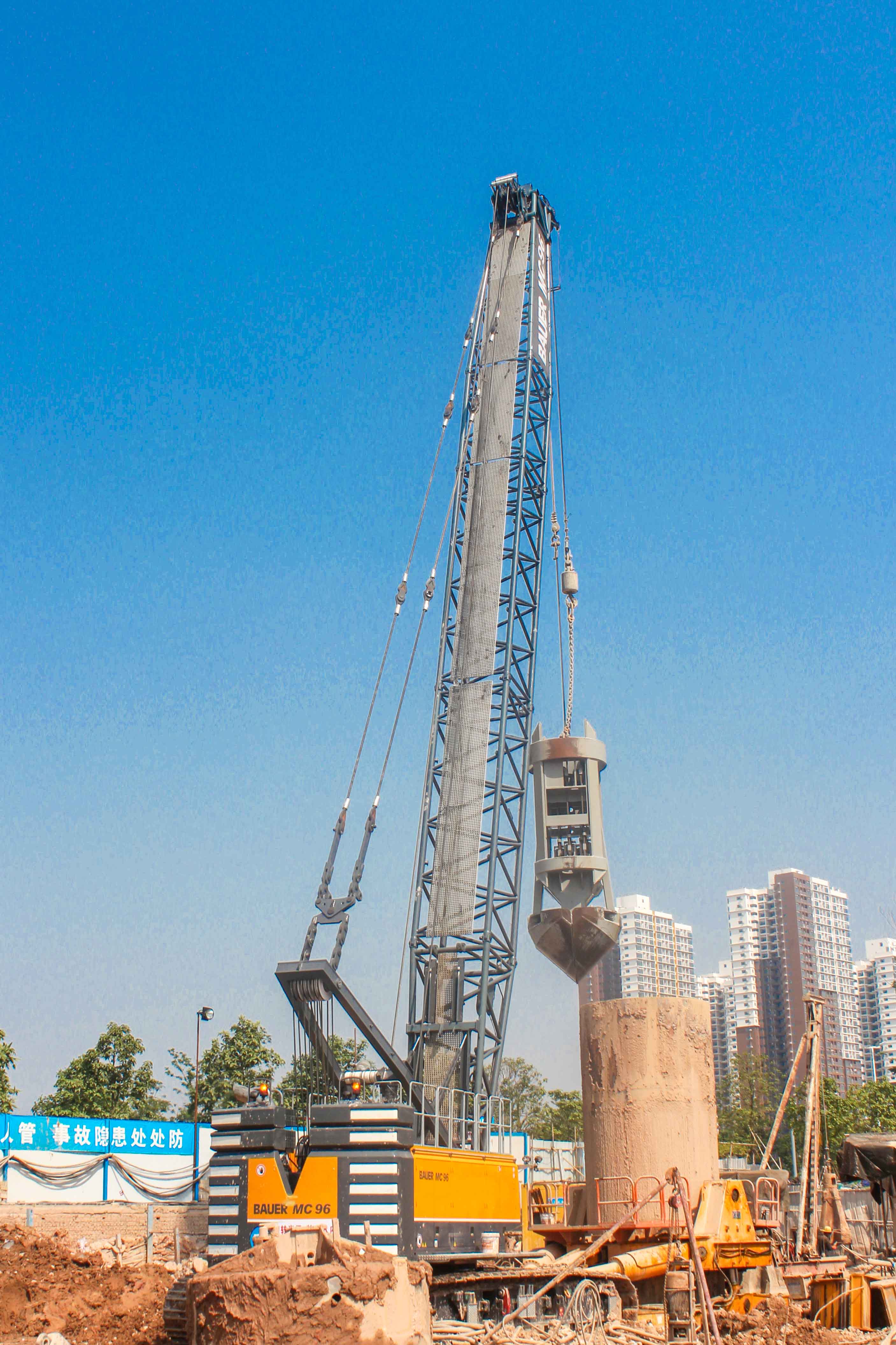 Pipe Twisting Machine Full Casing Construction Method
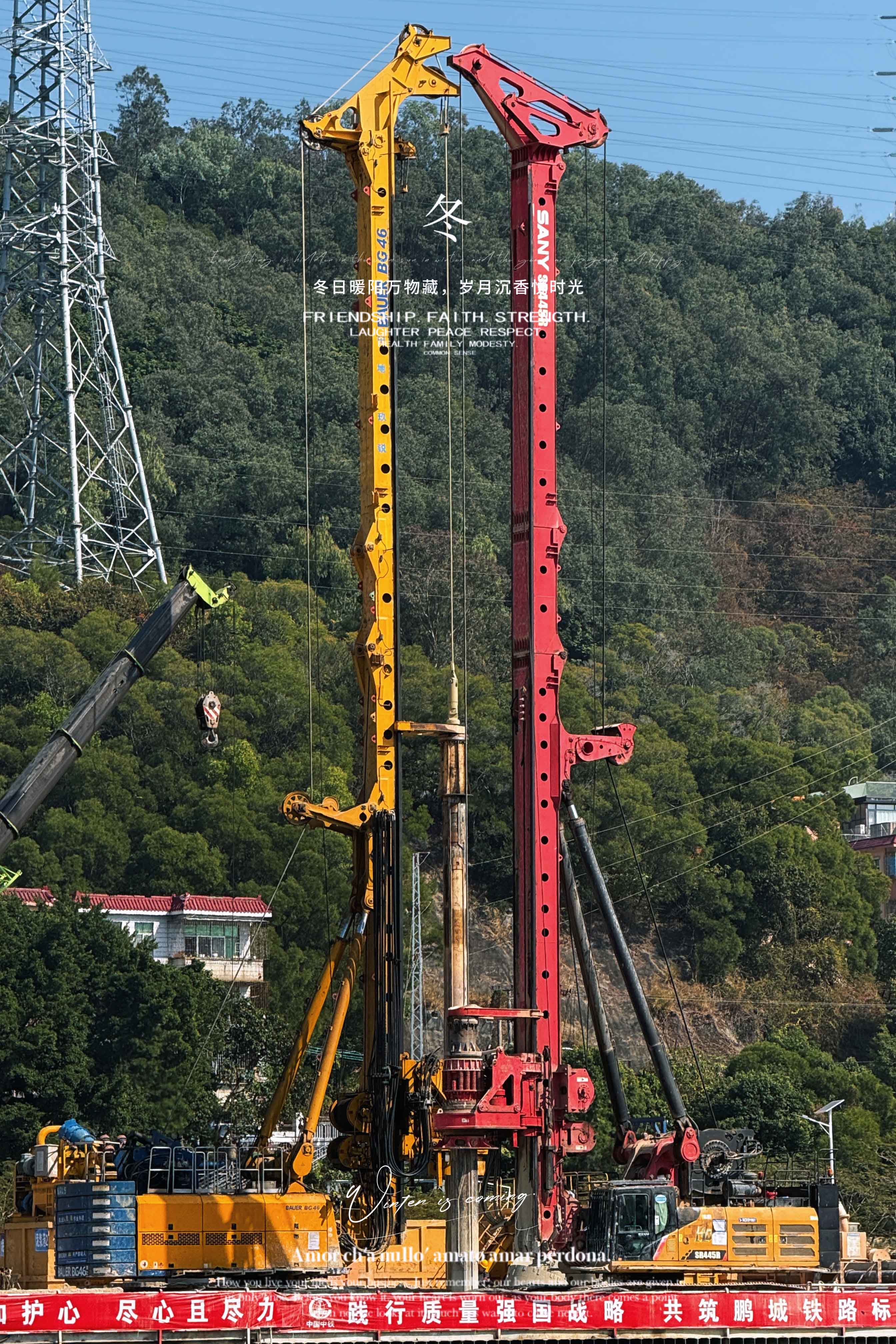 The Influence of Rock Formations on Roller Cone Bits
 The Function of Rotary Drilling Rig Picks with Alloy Pellets
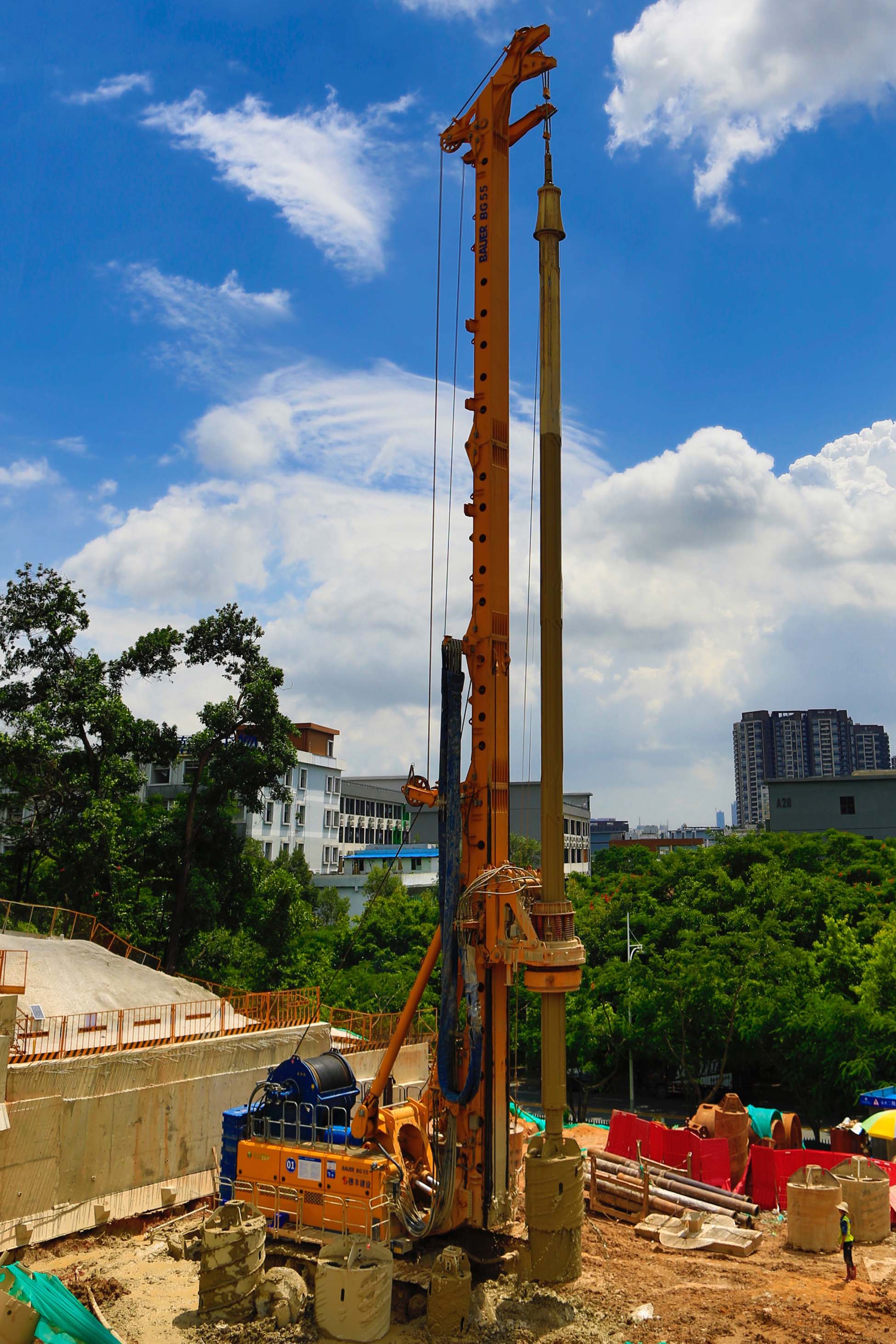 How to Extend the Service Life of Rotary Drilling Rig Cone B